Lombok Wildlife Park Visitor Guide
Lombok Wildlife Park is a compact wildlife sanctuary in North Lombok best known for its close-up elephant, orangutan, and bird encounters. The visit is easy to enjoy, but it works best when you time the animal sessions rather than simply wandering in and hoping to catch them. Most people spend 2–4 hours here, and the biggest difference between a rushed visit and a good one is arriving early enough to catch the orangutans before the elephant area gets busy. This guide covers timing, tickets, routes, and practical day-of tips.
Quick overview: Lombok Wildlife Park at a glance
If you want the short version before booking, this is what will change your day the most.
- When to visit: Daily, 9am–5:30pm. Weekday mornings from 9am to 10:30am feel noticeably calmer than late morning and early afternoon, because that is when elephant sessions pull most visitors into one area.
- Getting in: From IDR 350,000 for standard entry. Guided visits usually add about IDR 250,000 per person, and advance booking matters more for elephant sessions and transfer packages than for basic admission.
- How long to allow: 2–4 hours for most visitors. Lunch at Noori Restaurant, keeper talks, and hands-on elephant activities push you toward the longer end.
- What most people miss: The orangutan fruit sessions and the walk-in lory aviary are easy to shortchange if you head straight to the elephants and stay there too long.
- Is a guide worth it? Not essential for a compact park, but worth it if you want help timing the orangutan and elephant sessions without wasting time between zones.
🎟️ Elephant bath slots at Lombok Wildlife Park are the first to go on dry-season weekends and school-holiday dates. Lock in your visit before the time you want is gone.
Jump to what you need
🕒 Where and when to go
🗓️ How much time do you need?
🎟️ Which ticket is right for you?
🗺️ Getting around
🦧 Which animals to prioritise
♿ Facilities and accessibility
Where and when to go
How do you get to Lombok Wildlife Park?
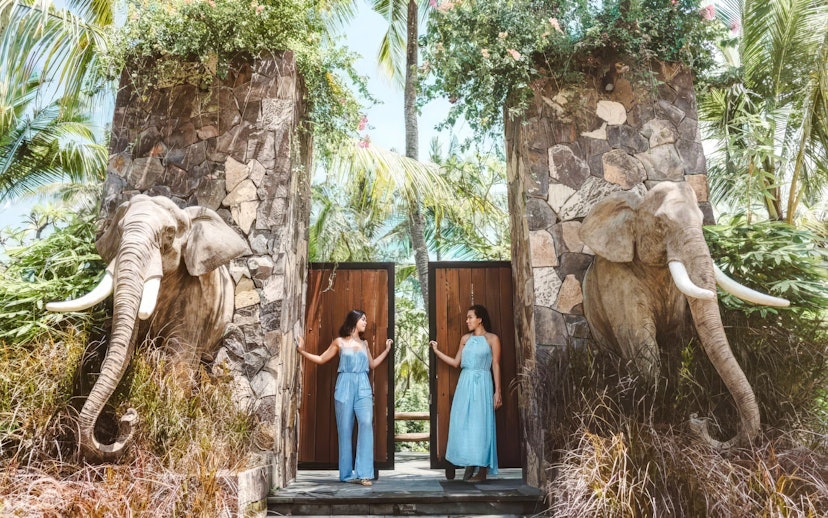
The park is in Sigar Penjalin, Tanjung, in North Lombok, about 40 minutes from Senggigi and close enough to Bangsal Harbor to combine with a Gili transfer day.
Sigar Penjalin, Tanjung, North Lombok Regency, Indonesia
- Private car / driver: From Senggigi → about 40 min → the simplest option if you want flexibility around elephant session times.
- Park transfer: From Senggigi or Mataram → about 40–45 min → round-trip car transfers can be arranged from around IDR 500,000 per car.
- Gili Islands connection: Speedboat to Bangsal Harbor + car → about 30 min by boat and 15 min by road → works well if you are arriving from the Gilis.
- Taxi / rideshare: Drop-off at the main entrance → easiest from Mataram or Senggigi → confirm your return ride in advance because this is not a city-center attraction.
Getting here from nearby bases
Many visitors reach the park as a half-day trip from Lombok’s beach areas or as a stop before or after the Gili Islands, so your base changes how much time you will keep for the animals.
From Senggigi
- Distance: About 40 km
- Travel time: About 40 min via private car or pre-booked shuttle
- Time to budget: Easy to do as a half-day visit with lunch and still be back before late afternoon
From Mataram
- Distance: About 45 km
- Travel time: About 45 min via car or shuttle
- Time to budget: Works best if you leave early, because traffic plus animal-session timing matters more than raw distance
From Gili Islands
- Distance: Bangsal Harbor is about 15 min away by road after the boat crossing
- Travel time: About 30 min by speedboat to Bangsal, then 15 min by car
- Time to budget: This is realistic on a transfer day, but only if you pre-arrange the harbor pickup and avoid a late start
Which entrance should you use?
The setup is simple: there is one main entrance, and the bigger mistake is arriving without enough margin before a scheduled animal activity. If elephant bathing is your priority, treat entry time and activity time as two separate things.
- Main entrance: Located at the front visitor gate. Best for all ticket holders and day visitors. Expect 5–15 min wait during school holidays and just before late-morning animal sessions.
When is Lombok Wildlife Park open?
- Monday–Sunday: 9am–5:30pm
- Government-declared holidays / severe weather: Occasional closure or reduced operations
- Last entry: 4:30pm
When is it busiest? Late morning to early afternoon, especially on weekends and in June–August, when elephant activities and lunch overlap and concentrate the crowds.
When should you actually go? Aim for a weekday entry between 9am and 10am if you want cooler weather, more active animals, and enough breathing room before the elephant area fills up.
How much time do you need?
| Visit type | Route | Duration | Walking distance | What you get |
|---|---|---|---|---|
Highlights only | Park entry → animal interactions → exit | 1–2 hrs | ~0.8 km | Best if you mainly want to explore the wildlife park and see the animals without booking longer interaction sessions or meals. |
Balanced visit | Park entry → orangutan or elephant experience → high tea/lunch → park exploration → exit | 2-3 hrs | ~1.2 km | The ideal pace for most visitors. You’ll have enough time for one structured animal interaction plus a relaxed meal at Noori Restaurant. |
Full exploration | Park entry → orangutan interaction → elephant bath experience → meal break → full park route → exit | 3–4+ hrs | ~1.8 km | Best if you want to combine multiple wildlife experiences in one visit. Expect a slower pace because the interaction sessions and meal stops naturally extend the day. |
Which Lombok Wildlife Park ticket is best for you
| Ticket type | What's included | Best for | Price |
|---|---|---|---|
Lombok Wildlife Park Admission Pass | Park entry with animal interactions | Exploring the wildlife park at your own pace without booking longer premium encounters | From Rp150,000 |
Admission with Lunch | Park entry, animal interactions, and lunch | A slower park visit where you want a meal included without planning around restaurant stops | From Rp150,000 |
Orangutan Interaction Experience | Admission, orangutan interaction session with Kaka & Kiki, plus high tea or 3-course lunch at Noori Restaurant | Spending more time in a guided animal encounter centered around the orangutan session | From Rp370,001 |
Elephant Bath Experience | Admission, elephant bath session, plus high tea or 3-course lunch | A more hands-on wildlife visit focused on elephant interaction instead of general park exploration | From Rp370,001 |
Intimate Wildlife Experience | Orangutan interaction, elephant bath experience, park admission, plus high tea or 3-course lunch | Covering the park’s signature wildlife experiences in one longer visit without choosing between the two encounters | From Rp490,000 |
How do you get around Lombok Wildlife Park?
Park layout and route
This is a compact wildlife park with a few main animal zones, so you can cover the highlights in 2–3 hours or stretch to 4 hours if you add elephant bathing, lunch, and keeper talks. The crowd-flow issue is specific: the elephant area gets busy in a short burst, so your route matters more than the park’s size suggests.
- Elephant area: Bathing, feeding, and the park’s most popular photo moments → allow 45–60 min if you join an activity.
- Orangutan zone: Adult and baby orangutan encounters with keeper talks → allow 20–30 min, longer if you time a feeding session.
- Lory Kingdom and bird sanctuary: Walk-in aviary with lorikeets, hornbills, and other birds → allow 20–25 min, especially if bird feeding is running.
- Reptile pavilion: Pythons, iguanas, monitors, tortoises, and crocodiles → allow 15–20 min.
- Noori Restaurant and gift shop area: Lunch, gelato, shade, and souvenirs → allow 30–45 min if you stop to eat.
Suggested route: Start with the orangutans, move to the aviary while the park still feels quiet, then time the elephants for the middle of your visit and finish with reptiles and lunch; most visitors reverse that order and end up stuck around the busiest zone.
Maps and navigation tools
- Map: Printed park map and daily schedule → covers the animal zones and session timings → pick it up at the entrance.
- Signage: Wayfinding is good enough for a compact visit, but the schedule sheet matters more than the direction signs.
- Audio guide / app: Keeper talks and staff briefings add more value here than a phone-based tour, so ask for the day’s talk times when you enter.
- Large outdoor POIs only: You do not need offline navigation once inside, but pre-arranged transport makes the journey easier because public transit is limited.
💡 Pro tip: Pick up the schedule first, not last — this park is small enough to walk easily, but the real planning challenge is syncing your route with the animal sessions.
Which animals and habitats should you prioritise?

Asian elephants
Ride type: Interactive animal encounter
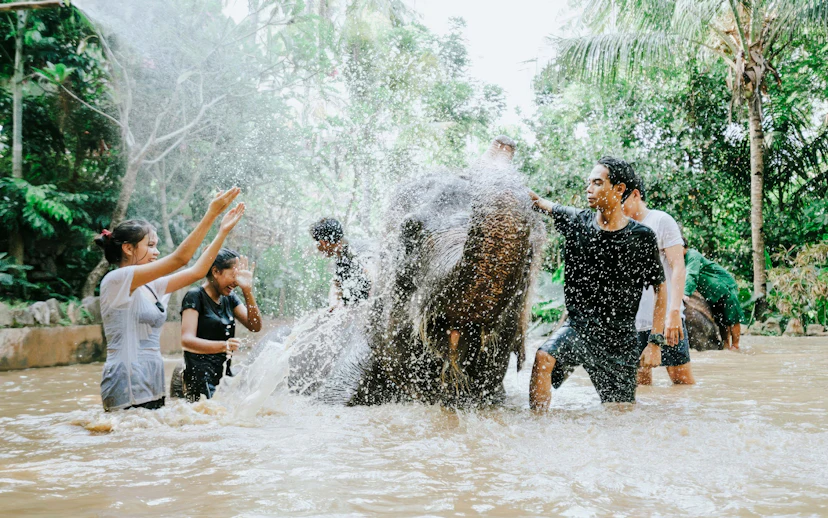
The elephants are the park’s biggest draw because this is where the visit becomes genuinely hands-on rather than just observational. If you join the bathing session, you’ll help splash, scrub, and feed them with staff close by. What many visitors miss is that the short meet-and-greet after the bath can feel calmer than the bath itself, so don’t leave the area too quickly.
Where to find it: At the elephant habitat on the main park loop, one of the park’s most prominent zones after entry.
Baby orangutans Kaka and Kiki
Species: Orangutan
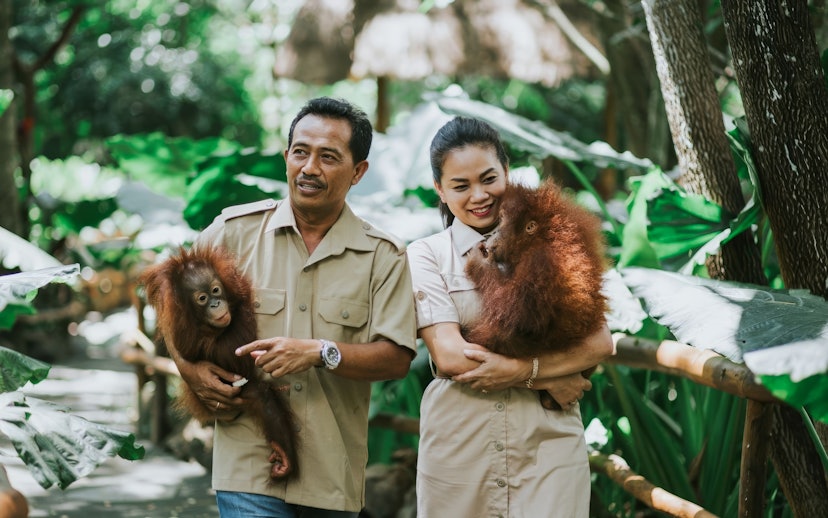
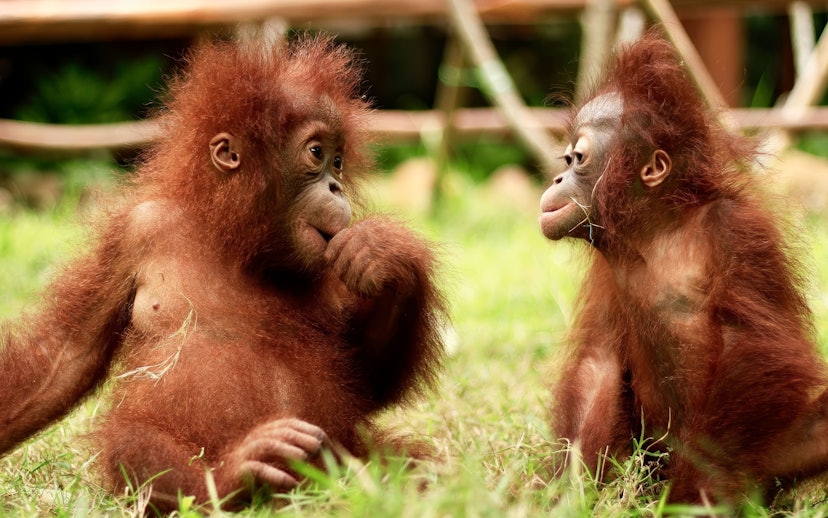
These encounters stand out because they feel quieter and more personal than the elephant area, especially when a keeper is leading the interaction. The appeal is not just the photo — it is seeing how curious and expressive the younger orangutans are up close. Most visitors rush in, take a picture, and miss the keeper explanation, which is where the conservation context really lands.
Where to find it: In the orangutan area, best visited early in the route before the elephant crowd peaks.
Adult orangutans
Species: Orangutan
The adult orangutans reward a slower stop because their behavior is more subtle than the babies’ and easier to overlook if you are moving too fast. Watch for the fruit-feeding moments, when they come closer and the enclosure suddenly becomes far more dynamic. Many visitors only focus on the nearest animal and miss how much interaction is happening across the whole habitat.
Where to find it: In the main orangutan habitat beside the keeper talk area.
Lory Kingdom
Species: Lorikeets and other free-flying birds
This walk-in aviary changes the pace of the visit because you are inside the birds’ space rather than looking through bars. The best part is not the color alone, but the movement overhead when the birds gather for feed. Many people treat it as a quick pass-through after the elephants, which is exactly when they miss the most active bird behavior.
Where to find it: In the bird section of the park, on the main circuit after the mammal zones.
Birds sanctuary
Species: Hornbills, parrots, peafowl, and other exotic birds
The broader bird area is worth separating from the aviary because it gives you species variety that the walk-in zone does not. You get a more structured look at hornbills and larger birds, which adds range to the visit beyond the obvious selfie moments. Most guests remember the lorikeets and forget this section entirely, even though it rounds out the park’s bird collection.
Where to find it: Adjacent to or just beyond Lory Kingdom in the bird section.
Reptile pavilion
Species: Pythons, iguanas, monitors, tortoises, and crocodiles
This is the section people either skip or rush, which is a mistake because it adds contrast to a visit dominated by mammals and birds. The guided reptile moments are often where nervous visitors end up most surprised by what they enjoy. What gets missed is that the pavilion makes a good later stop, when the shaded setting feels more comfortable than the open areas.
Where to find it: Toward the later part of the park loop, after the main mammal and bird sections.
Facilities and accessibility
- 🎒 Bags: A small day bag is easiest here, especially if you plan to join wet animal encounters and move between outdoor zones.
- 🚻 Restrooms: Restrooms are available on-site, so you do not need to leave the park to find basic facilities.
- 🍽️ Noori Restaurant: The main dining option serves Indonesian and Western meals, and it is useful enough to plan lunch around rather than leaving the site.
- ☕ Forest Café: This is the lighter-stop option for coffee, snacks, and a break between the animal zones.
- 🧺 Picnic area: There is a dedicated picnic area on-site, which gives families a shaded place to pause even though outside food is not permitted.
- 🛍️ Gift shop / merchandise: Animalia Gift Shop near the exit is the place for plush toys, T-shirts, postcards, and easy end-of-visit souvenirs.
- 🪑 Seating / rest areas: The restaurant, café, and picnic spaces are your best bet for longer seated breaks in the middle of the day.
- 🅿️ Parking: Free on-site parking is available, and most visitors arriving by car or driver use this without issue.
- 📸 Photography service: An in-house photographer is available if you want help during the wetter or more hands-on animal sessions.
- ♿ Mobility: The park is compact, but some outdoor paths and the elephant area can turn muddy or slippery, so easy movement is not the same as fully step-free access.
- 👁️ Visual impairments: The most useful support here is the staff commentary during talks and encounters, which adds spoken context throughout the visit.
- 🧠 Cognitive and sensory needs: The first hour after opening is the easiest low-crowd window, while the aviary and elephant areas feel loudest and busiest around feeding and activity times.
- 👨👩👧 Families and strollers: Families do well here because the park is not huge, but strollers are less comfortable in wet or uneven activity areas.
- 🛣️ Terrain: Expect a mix of outdoor walking surfaces, with the grippiest footwear mattering most near elephant bathing and after rain.
- 🌦️ Weather exposure: Much of the visit is outdoors, so heat and sudden tropical rain affect comfort more here than at an indoor attraction.
This is one of the more child-friendly half-day attractions in Lombok because the animals are close, the route is manageable, and the visit includes enough interaction to hold attention.
- 🕐 Time: 2–3 hours is realistic with younger children, and the elephants, orangutans, and aviary are the sections most worth prioritizing.
- 🏠 Facilities: On-site restrooms, food options, shade breaks, and picnic seating make it easier to manage snacks, pauses, and energy dips.
- 💡 Engagement: Buy a fruit basket or time a keeper talk, because children stay far more engaged when they are feeding or actively watching a session.
- 🎒 Logistics: Bring grippy footwear, a change of clothes if elephant bathing is on the plan, and arrive early before the hottest part of the day.
- 📍 After your visit: Sire Beach is an easy nearby follow-up if you want a calm outdoor stop before heading back.
Rules and restrictions
What you need to know before you go
- Standard entry is sold as dated admission, and foreign visitors should carry the same passport or ID used for booking.
- Outside food and drink are not permitted, so plan to eat at Noori Restaurant, Forest Café, or the on-site picnic area setup.
- Treat this as one continuous visit and pack light, because the park is designed around staying on-site for animal sessions and lunch.
Not allowed
- 🚫 Outside food and drink are not allowed, so don’t count on bringing your own picnic or snacks.
- 🖐️ Animal contact outside supervised sessions is not allowed, because the close-up encounters are handled only with staff present for safety and welfare.
- 👟 Slippery footwear is a bad idea in wet zones, especially near the elephant bathing area where grip matters.
Photography
Personal photography is part of the visit, especially around the elephants, orangutans, and aviary. The key distinction is that staff direction takes priority during any close-contact encounter, so pause when asked and keep your hands free in wet or animal-handling moments. If you want easier photos during the splashier sessions, the in-house photography service is worth considering.
Good to know
- Fruit baskets for animal feeding are one of the easiest upgrades to make the visit feel more interactive, and they cost far less than a full activity add-on.
- The park feels small only if you miss the session timings; if you line those up well, it fills a relaxed half-day easily.
Practical tips
- Booking and arrival: Book a few days ahead if you want an elephant bath session, a transfer, or a lunch bundle, but basic admission is usually straightforward unless you are traveling on a dry-season weekend or school-holiday date.
- Pacing: Don’t burn your first hour at the elephants if that area is already busy; the orangutans and aviary are easier to enjoy first, and you can come back to the headline zone later.
- Crowd management: The smartest slot is a weekday arrival around 9am, because you will see more active animals before the late-morning elephant crowd and lunch overlap compress the park.
- What to bring or leave behind: Wear shoes or sandals with real grip, because reviews consistently call out slippery paths near the elephant activity area, especially after water sessions or rain.
- Food and drink: Plan lunch either before 11:30am or after 1:30pm if you want Noori Restaurant without the midday pinch, and don’t bring your own food because it will not be allowed in.
- Hands-on extras: A fruit basket for feeding is one of the best-value add-ons at around IDR 50,000, and it does more to improve the visit than simply walking the loop faster.
- Clothing: Bring a spare T-shirt or quick-dry layer if elephant bathing is on your list, because you are very likely to leave that area wetter than expected.
What else is worth visiting nearby?
Commonly paired: Bangsal Harbor and the Gili Islands
Distance: About 8 km — 15 min by car from the park to Bangsal Harbor
Why people combine them: The park sits close enough to Bangsal that it works well on a Gili transfer day, especially if you want one structured activity before or after the boat.
Commonly paired: Sire Beach
Distance: About 5 km — 10 min by car
Why people combine them: It is an easy cool-down after a warm outdoor visit, and the beach pairing works especially well for families who want a calmer second stop.
Also nearby
Medana Bay
Distance: About 6 km — 10 min by car
Worth knowing: This is a quieter coastal stop than the busier tourist hubs, and it suits travelers who want lunch or a relaxed resort-area pause after the park.
Malimbu Hill
Distance: About 28 km — 35–40 min by car
Worth knowing: It makes more sense as a late-day add-on than a same-morning pairing, but the coastal views are a strong finish if you are heading back toward Senggigi.
Eat, shop and stay near Lombok Wildlife Park
- On-site: Noori Restaurant serves Indonesian and Western dishes, plus gelato, and it is the most practical full meal stop because you cannot bring your own food inside.
- Forest Café (inside Lombok Wildlife Park, North Lombok): Coffee, lighter snacks, and a shaded break that works well if you want something quicker than a full lunch.
- Noori Restaurant (inside Lombok Wildlife Park, North Lombok): Rice dishes, noodles, burgers, and a proper sit-down meal that makes sense for the middle of a 3–4 hour visit.
- Picnic area (inside Lombok Wildlife Park, North Lombok): Best for a pause between zones rather than a separate meal, but useful if you are traveling with children and need downtime.
- 💡 Pro tip: Eat before the main elephant crowd breaks for lunch or wait until after 1:30pm, because the food logistics are easiest when you are not hitting the restaurant at the same time as everyone else.
- Animalia Gift Shop: Plush animals, postcards, T-shirts, and easy take-home souvenirs near the exit, with elephant and orangutan items the most obvious family buys.
- Photo counter: If you use the in-house photographer, this is where memory-style purchases make most sense, especially if you do not want to risk your phone during water-based encounters.
Staying right by the park only makes sense if North Lombok is already part of your itinerary or you want to be close to Bangsal Harbor, Sire, or Medana. For most travelers, this is better as a half-day excursion than as the reason to change bases. If you are deciding where to sleep, convenience to the rest of Lombok matters more than proximity to the entrance.
- Price point: The immediate area leans quieter and more resort-style than city-based, with fewer casual choices right outside the attraction.
- Best for: Travelers catching a Gili boat, families staying in North Lombok, or anyone who wants a slower base near Sire and Medana.
- Consider instead: Senggigi for a broader hotel and restaurant range, or Kuta Lombok if the wildlife park is just one stop in a beach-heavy itinerary.
Frequently asked questions about visiting Lombok Wildlife Park
Most visits take 2–3 hours, though 4 hours is more realistic if you add lunch, fruit feeding, or an elephant bath session. The park itself is compact, so extra time usually goes into scheduled encounters rather than long walking distances. If you arrive without checking the session timings, the visit can feel shorter than you expected.
You do not always need to pre-book basic admission, but it is smart to do so for dry-season weekends, school holidays, elephant bath sessions, and hotel transfers. Standard entry is usually easier to buy than the park’s timed animal experiences. Booking ahead matters most when your day depends on a specific session or pickup time.
Arrive 20–30 minutes early if you have booked a timed animal activity or transfer-linked visit. That gives you time to check in, collect the park schedule, and get oriented before you need to be at the first zone. If elephants are your priority, a late arrival makes the rest of the route harder to pace.
Yes, a small day bag is the easiest option for this visit. Keep it light, because you will be moving through outdoor areas and wet zones, and outside food is not allowed anyway. If you are doing elephant bathing, bring only what you want to keep with you around water.
Yes, photography is one of the main reasons people enjoy the park. You can usually take your own pictures around the animal areas, but keepers’ instructions come first during close-contact sessions and water-based activities. If you do not want to juggle your phone during the elephant bath, the on-site photographer is useful.
Yes, the park works well for groups, especially families, educational visits, and small guided outings. The layout is manageable, and the scheduled talks give groups natural points to regroup without walking long distances. If you want a smoother visit, arrange a guide or transport in advance rather than trying to coordinate everything on arrival.
Yes, it is one of the easier family attractions in Lombok because the route is short, the animals are close, and the interactive moments hold children’s attention. Most families do well with 2–3 hours here. The only real catch is footwear, because some activity areas can be slick when wet.
It is manageable in parts, but you should not assume fully step-free access across every animal-interaction area. The park is compact, which helps, but some outdoor paths and the elephant zone can be muddy or slippery. If full mobility support matters for your group, contact the park before you go rather than relying on a general assumption.
Yes, food is available on-site, and that matters because you cannot bring outside food into the park. Noori Restaurant is the main full-meal option, and Forest Café is better for a lighter stop. Most visitors do not need to leave the attraction for food unless they are heading onward to Bangsal, Sire, or Senggigi afterward.
You can expect elephants, orangutans, exotic birds, reptiles, and a wider mix of around 50 species overall. The most talked-about areas are the elephants, the baby orangutans, the walk-in lory aviary, and the reptile pavilion. If you want the visit to feel fuller, don’t stop after the elephants alone.
Yes, but that is usually tied to a specific elephant bath experience rather than standard entry alone. The activity is staff-led and runs at scheduled times, which is why it is worth planning ahead. If you leave this decision until you arrive, you may find the timing no longer works for your day.
From Senggigi, the easiest route is a private car or pre-booked transfer, and the drive usually takes about 40 minutes. From the Gili Islands, most visitors come through Bangsal Harbor by speedboat and then finish with a short car ride of about 15 minutes. This is one of the few Lombok attractions that fits cleanly into a transfer day.